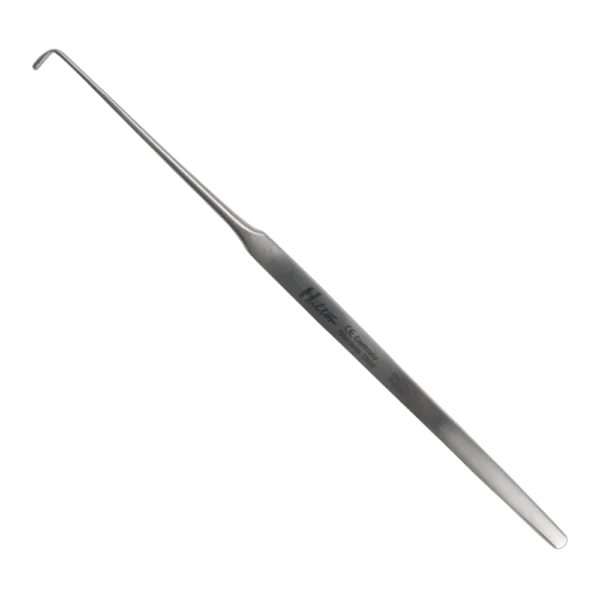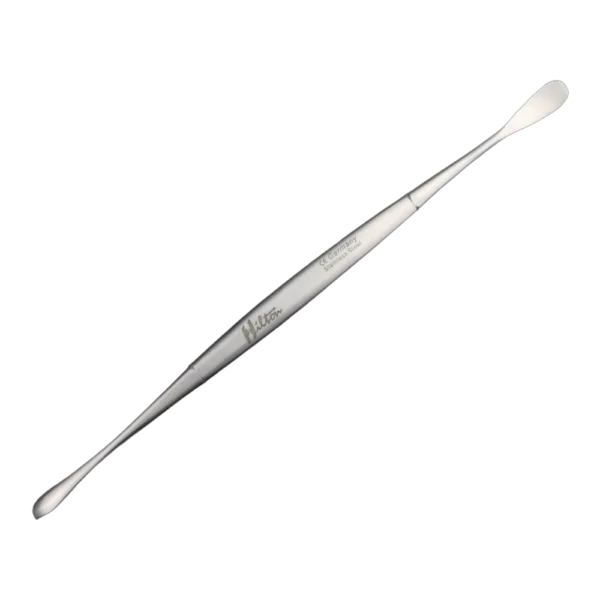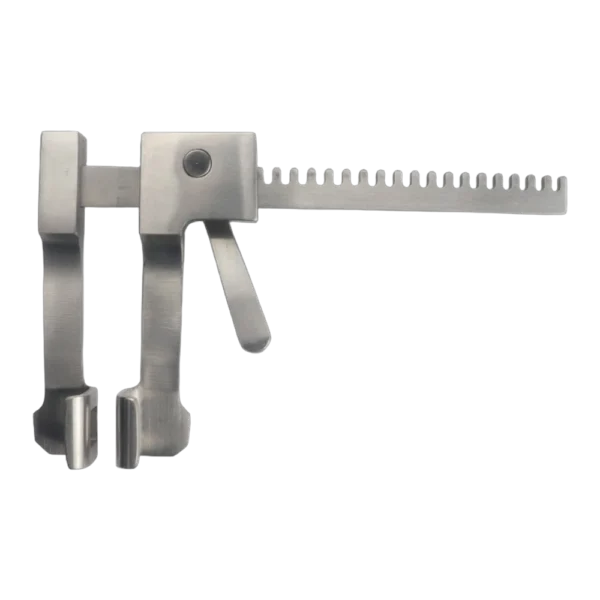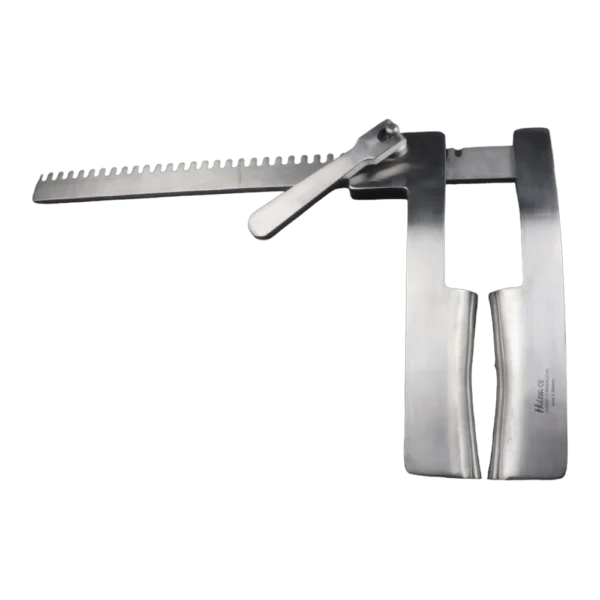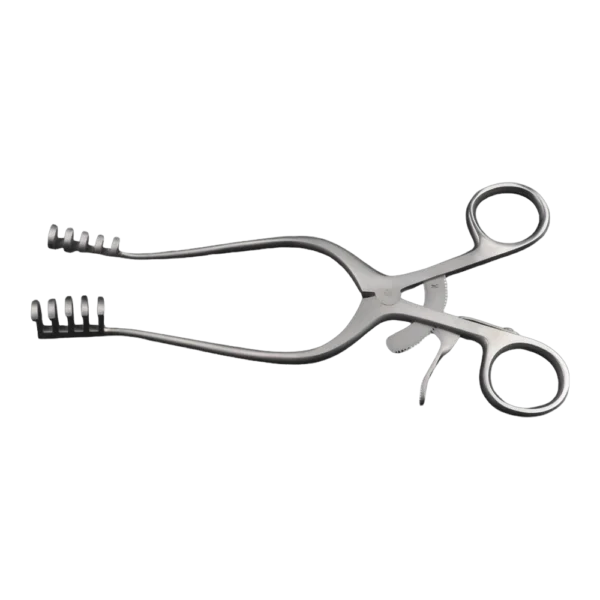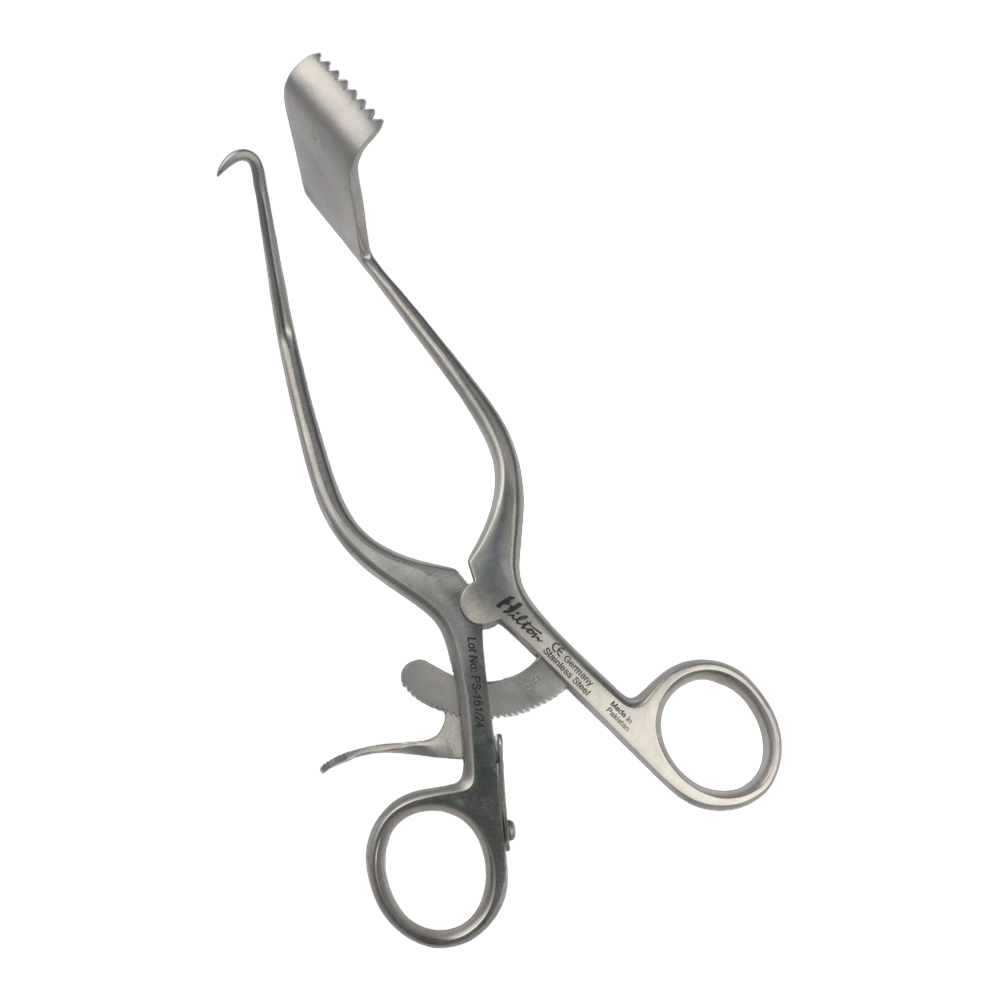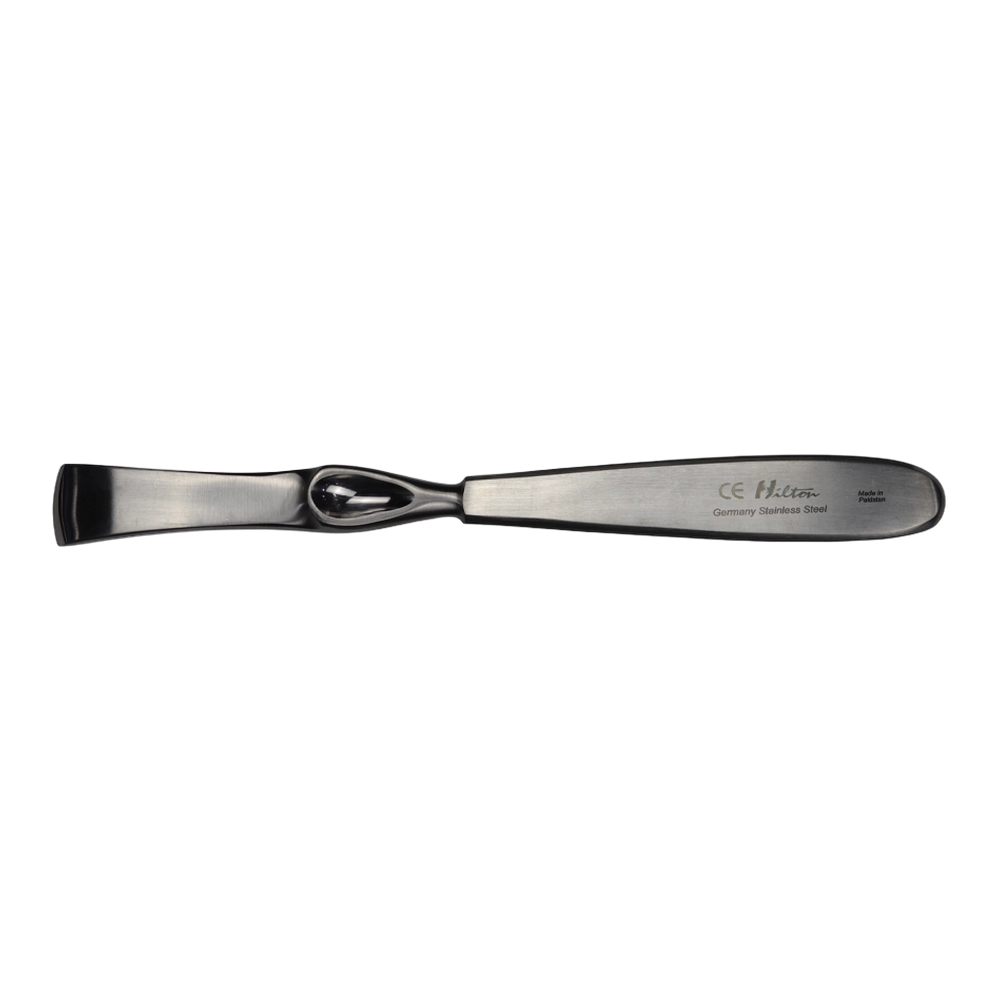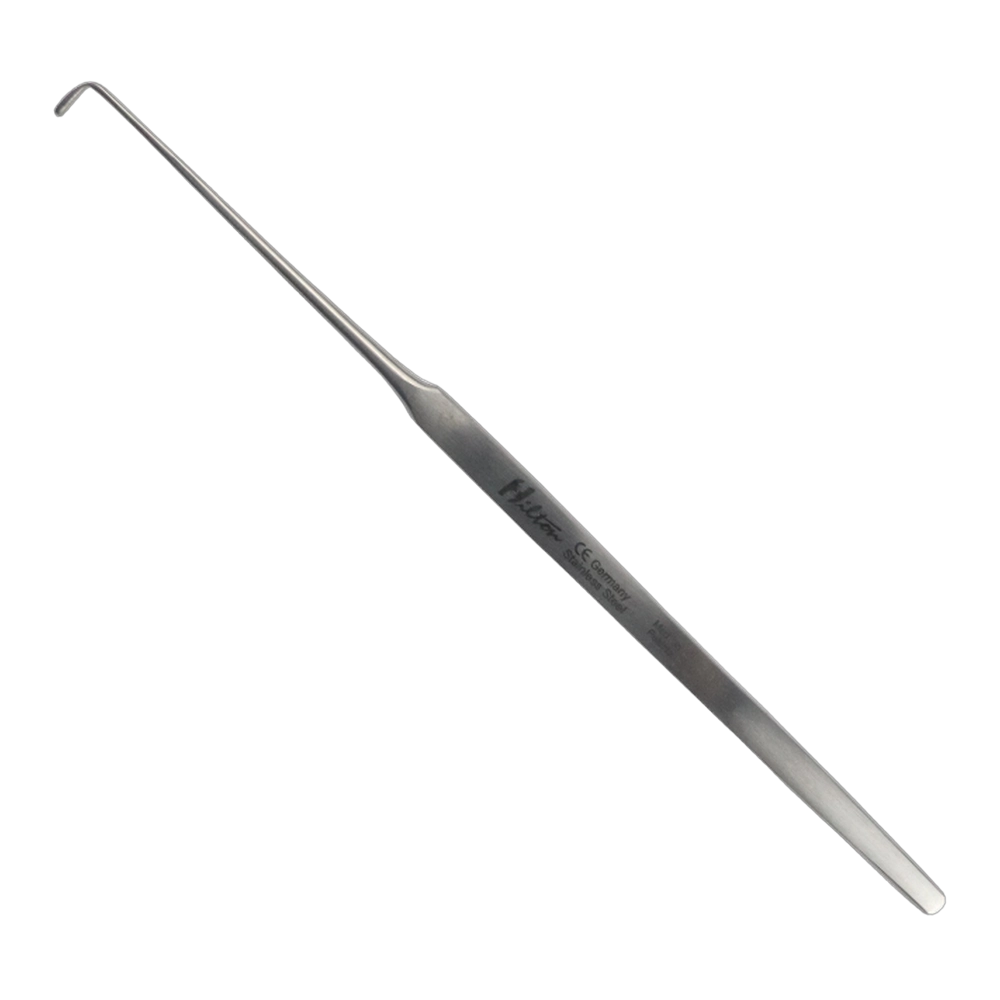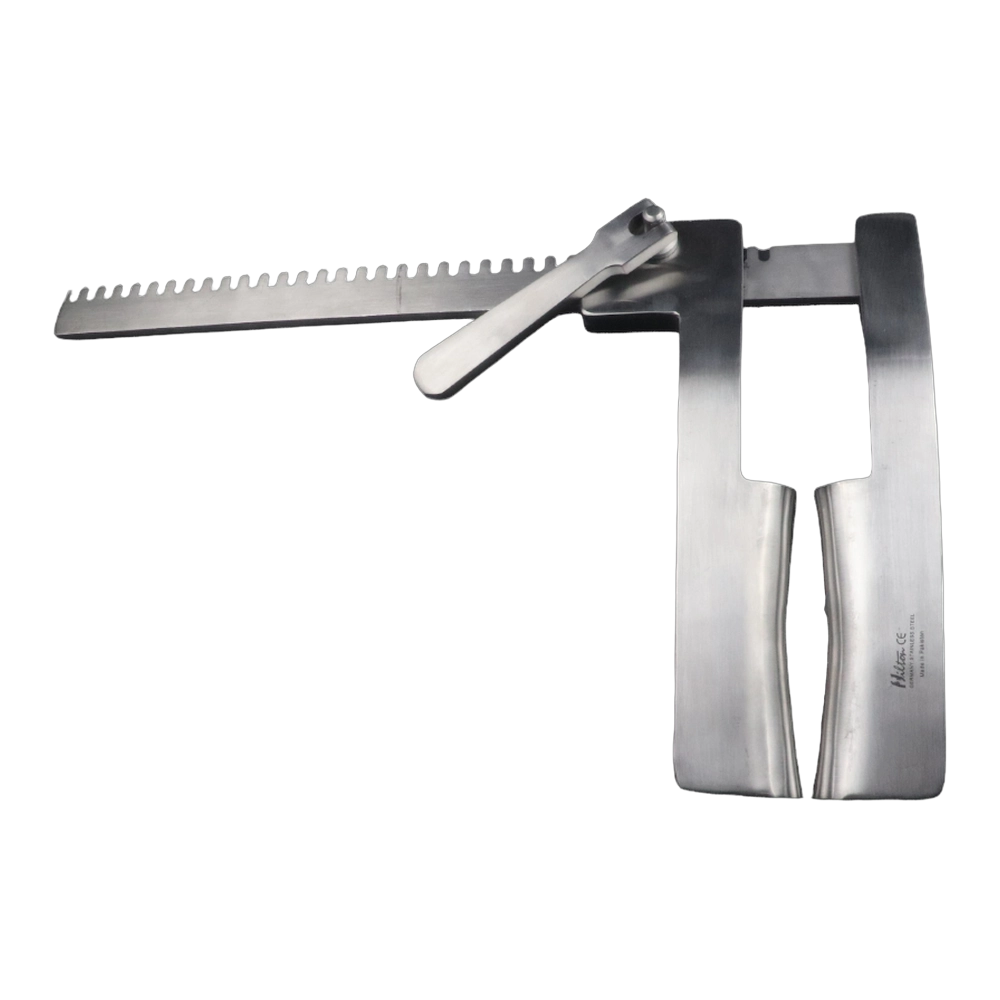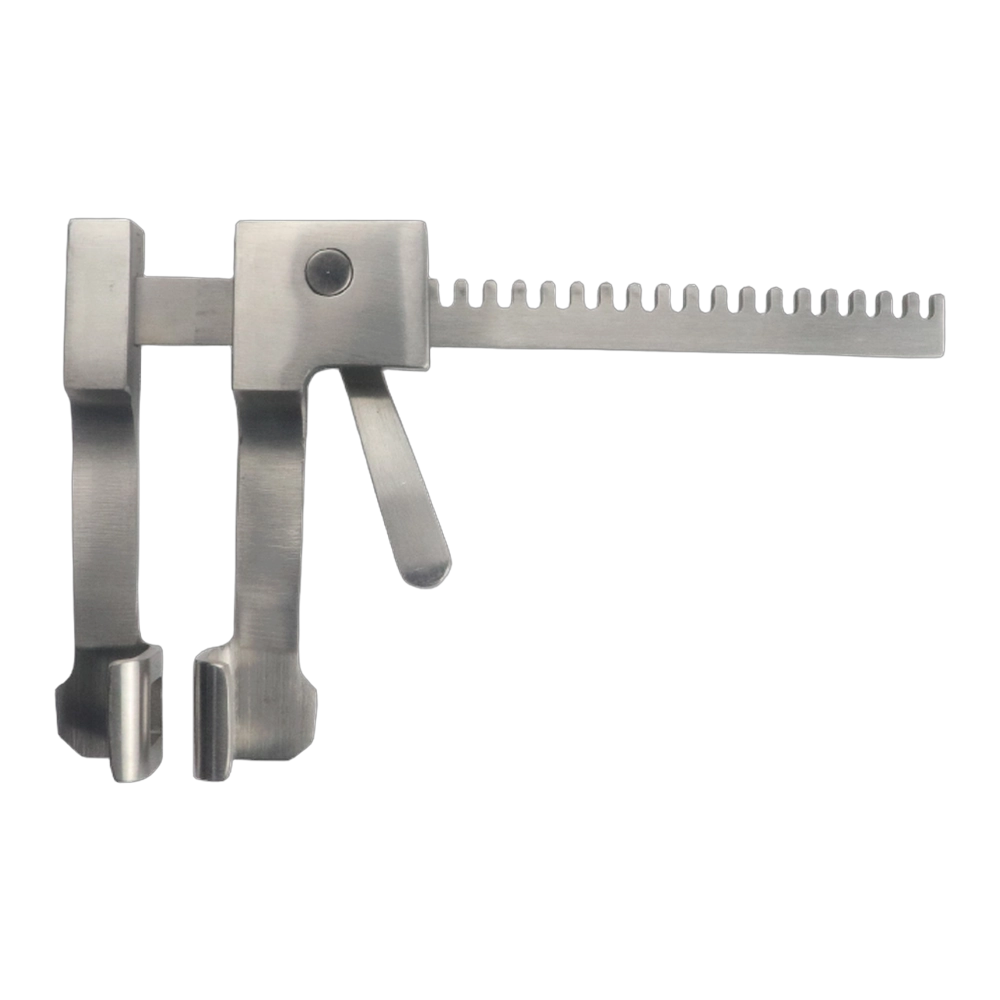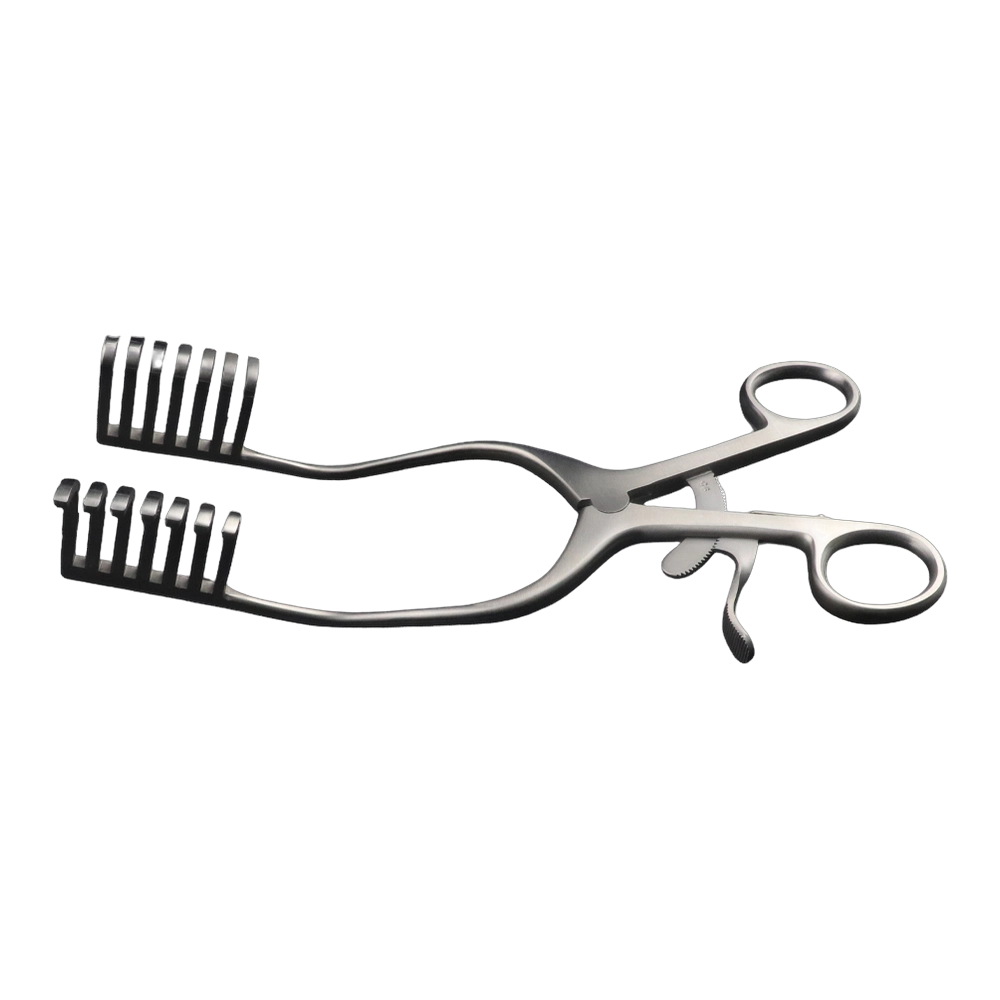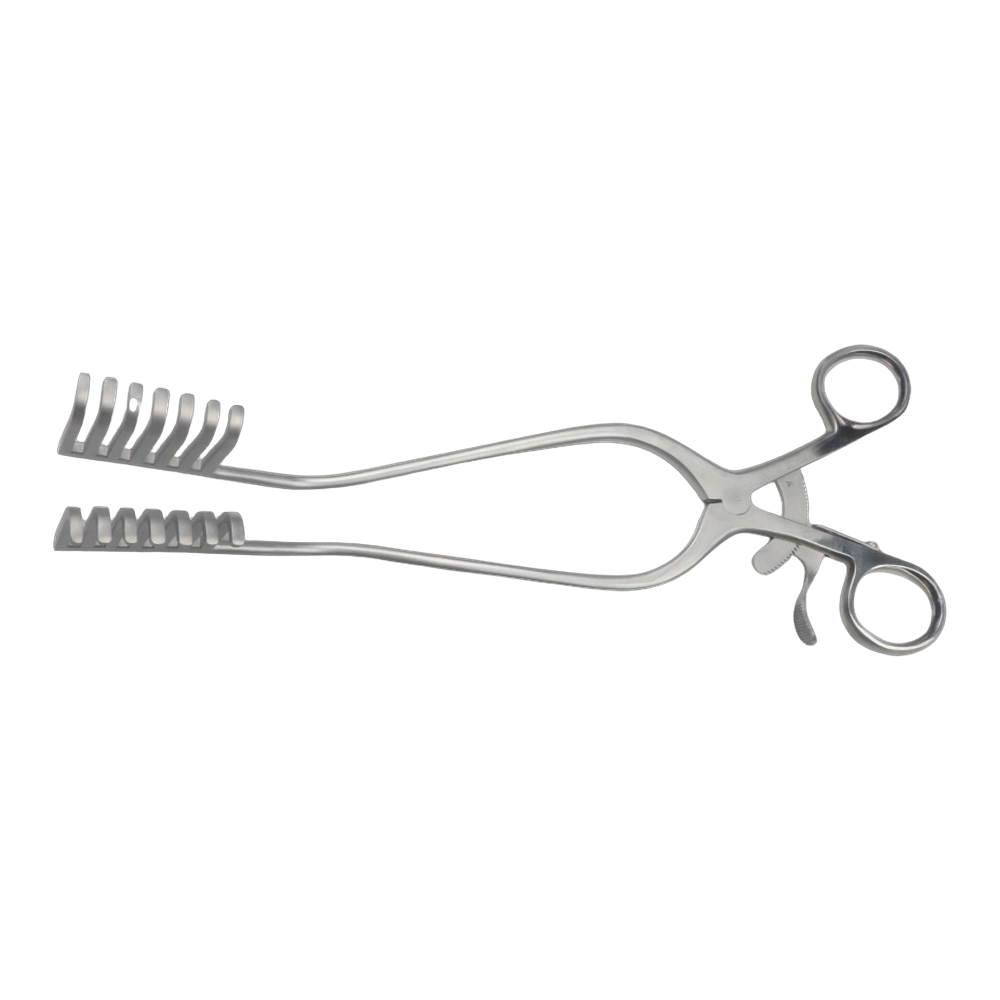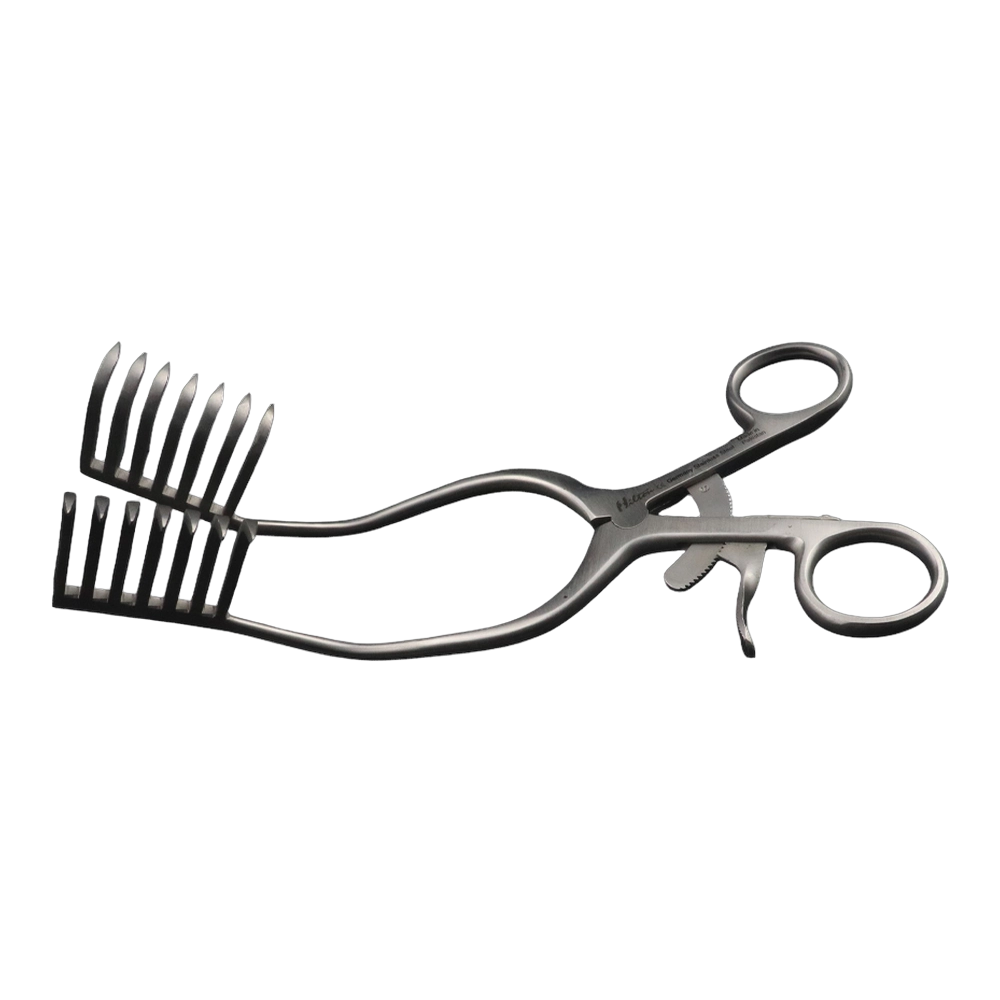
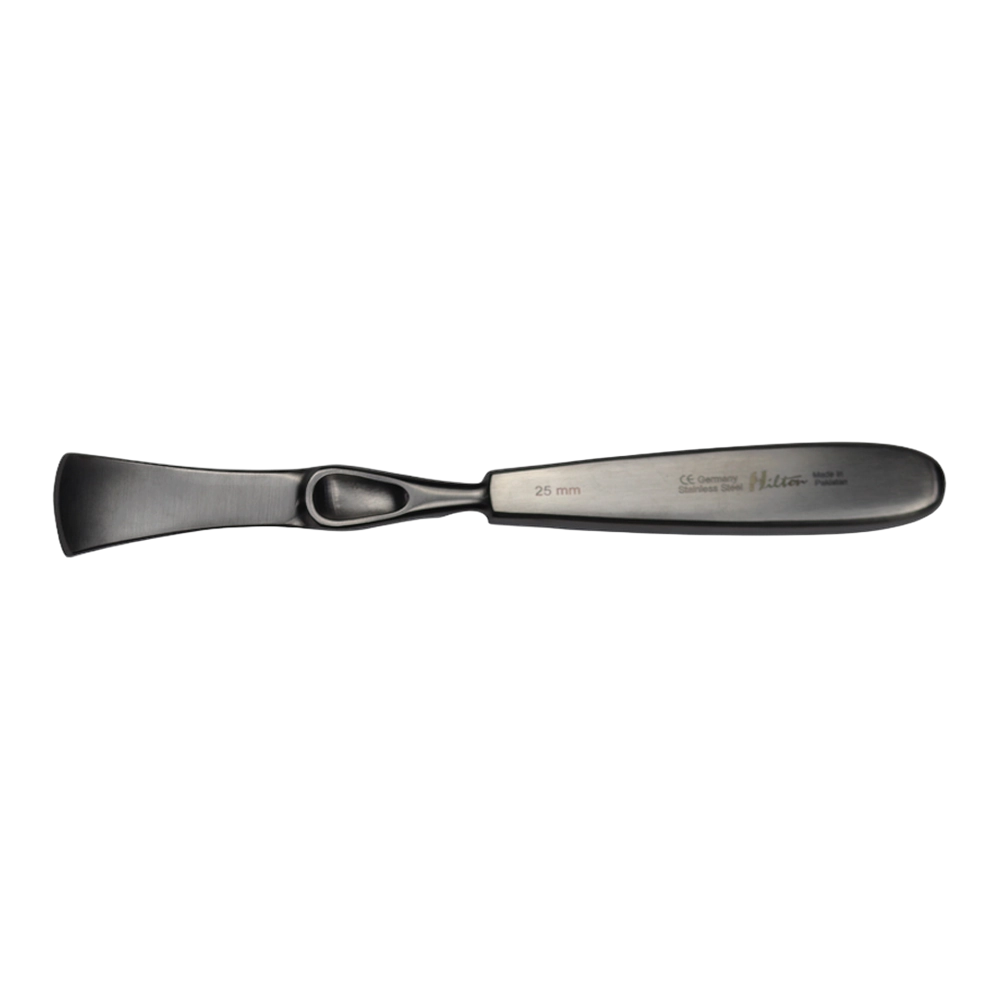

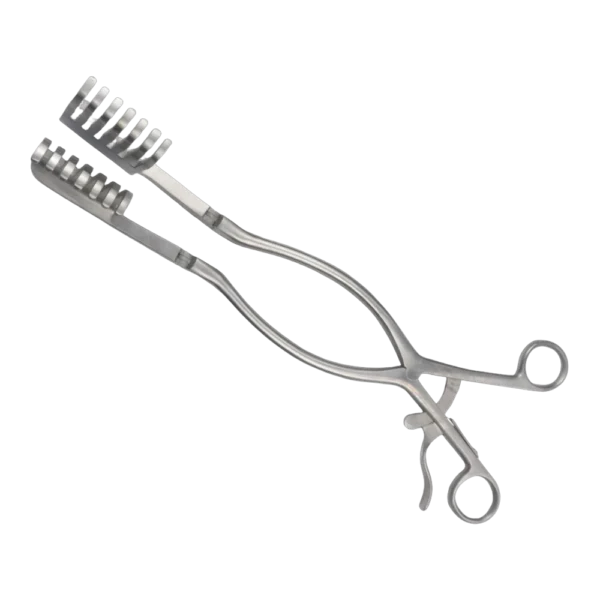
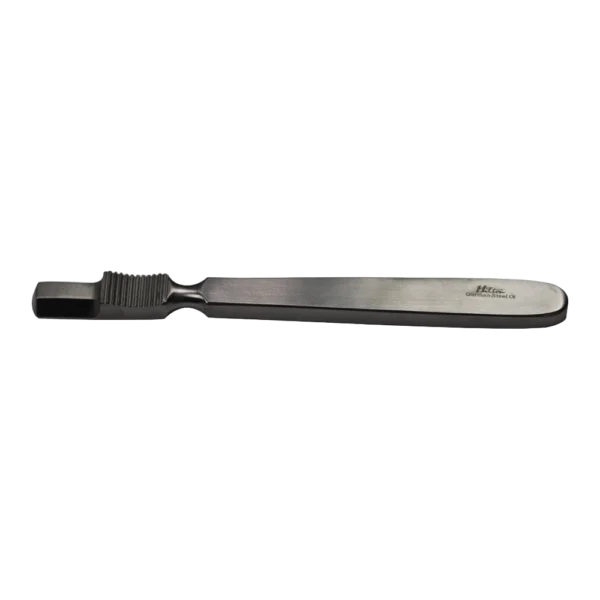
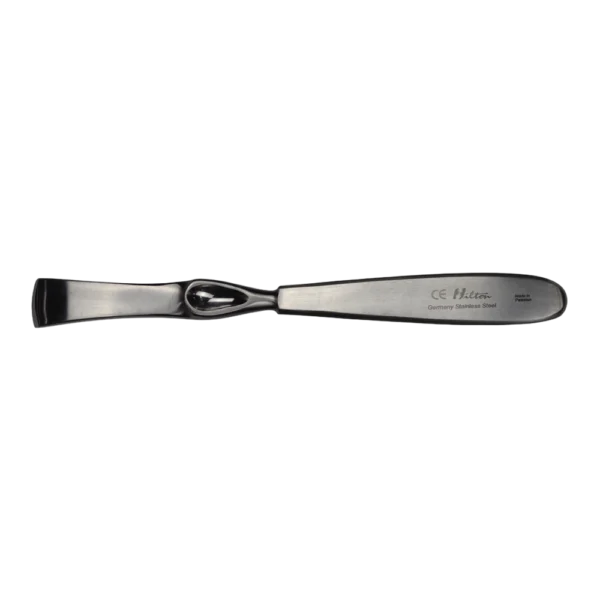
Metal Bone Raspatories – 20 mm
Enables periosteal elevation and soft-tissue retraction for clear exposure. Aids bone prep and landmarking, supporting confident fixation planning and efficient documentation.
690 EGP
more 2 products
6 for the price of 3
* The information on this page is a summary and is not intended to cover all available information about this medication. It does not cover all possible uses, directions, precautions, drug interactions or adverse effects and is not a substitute for the expertise and judgement of your healthcare professional.
Technical Specifications of Metal Bone Raspatories – 20 mm
| Specification | Description |
|---|---|
| Speciality | Orthopedic |
| Model Variant | 20 MM |
| Material | STAINLESS STEEL |
| Sterilization Method | AUTOCLAVABLE |
| Finish | Matte / Satin Finish |
| Packiging Unit | Single Piece |
| Handle Type | FLAT GRIP |
| Tip Type | STR } |
| Brand | Hilton brand |
| Country of Origin | Pakistan |
| SKU | ORT-6006-RET |
Orthopedic instrument constructed from stainless steel with a matte/satin finish and a flat grip handle, supplied as a single piece in the 20 mm variant. The device is autoclavable to support standard reprocessing workflows and features the specified tip type. Identified under the Hilton brand with SKU ORT-6006-RET and manufactured in Pakistan.
Surgical Applications of Metal Bone Raspatories – 20 mm
This device supports subperiosteal separation and soft-tissue margin control along cortical surfaces to maintain a protected corridor for bony access. It provides controlled cortical preparation—removing residual soft layers, refining edges after osteotomy, and outlining osseous contours before placement of plates, screws, or other hardware.
Common Applications
- Development of a periosteal plane along bone to support controlled approach access.
- Retraction of soft-tissue borders to preserve instrument paths adjacent to cortical surfaces.
- Scraping of adherent soft remnants from bone to prepare contact surfaces for fixation components.
- Smoothing and contouring of osseous edges after bony cuts to refine surface transitions.
- Delineation of skeletal margins to aid anatomical orientation prior to drilling or other instrumentation.