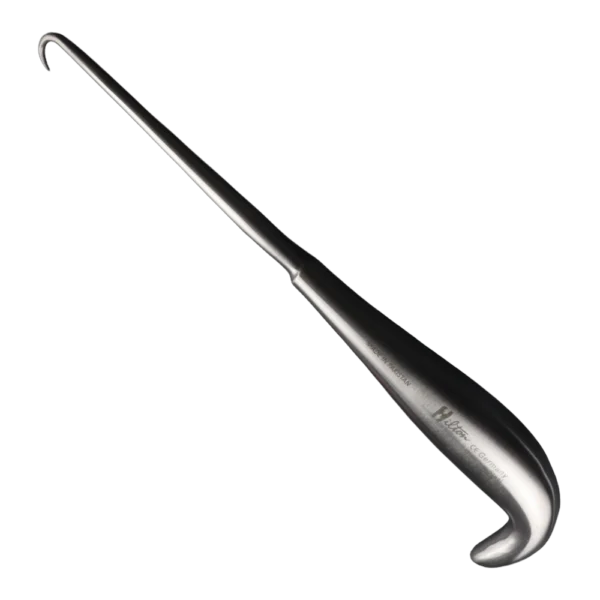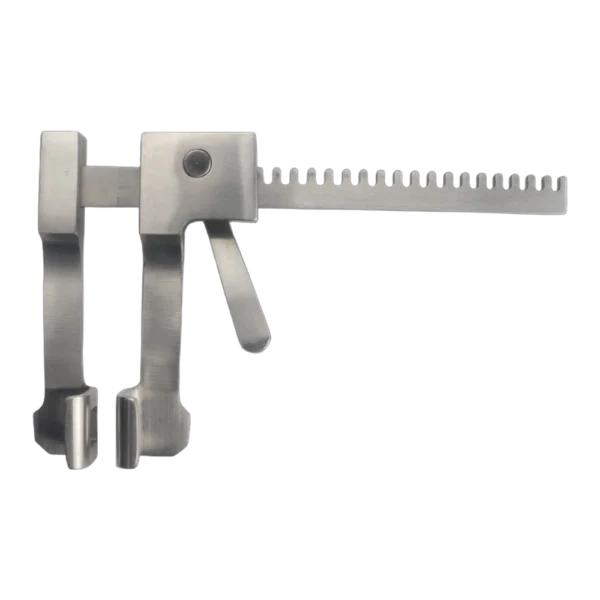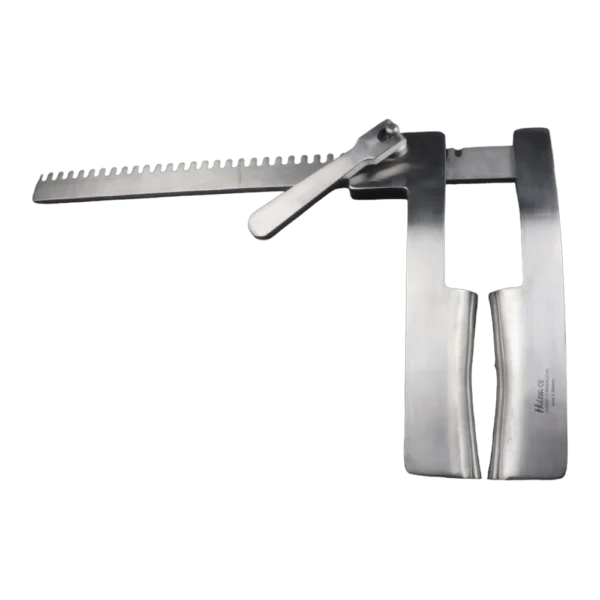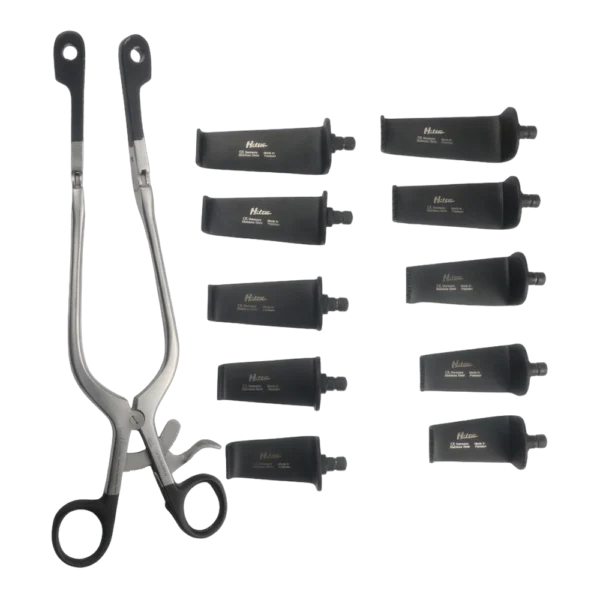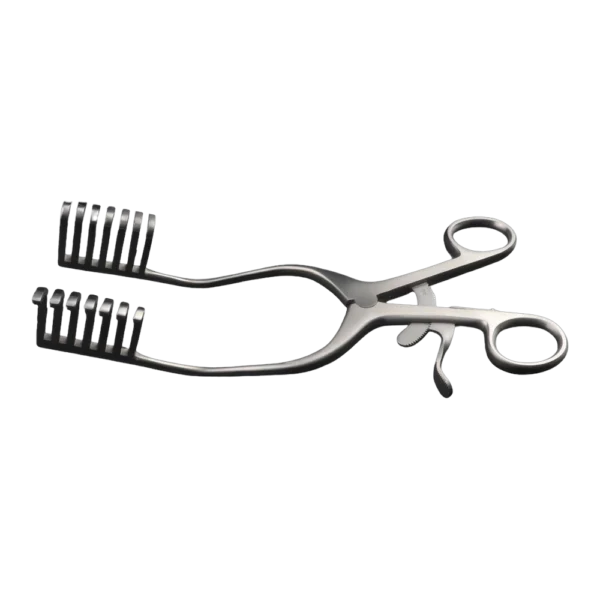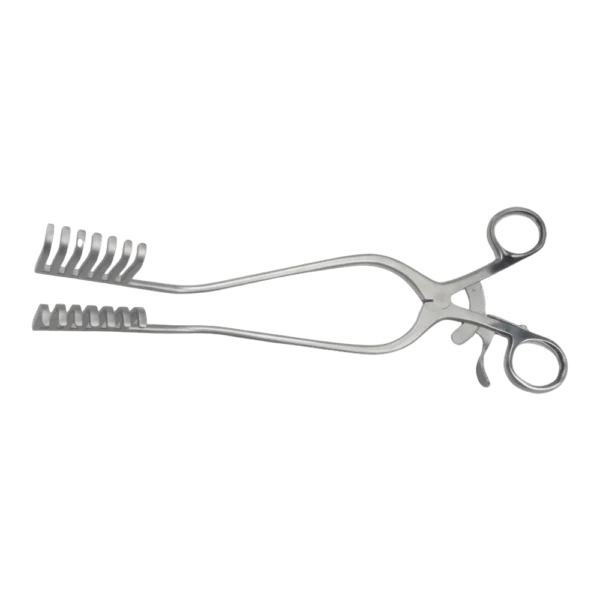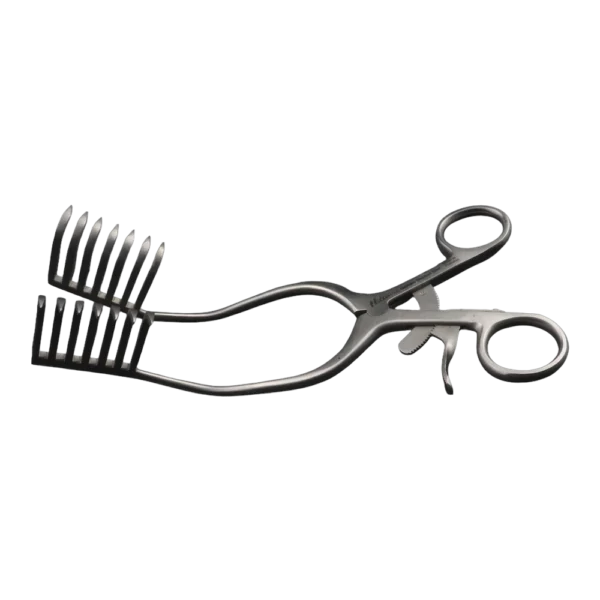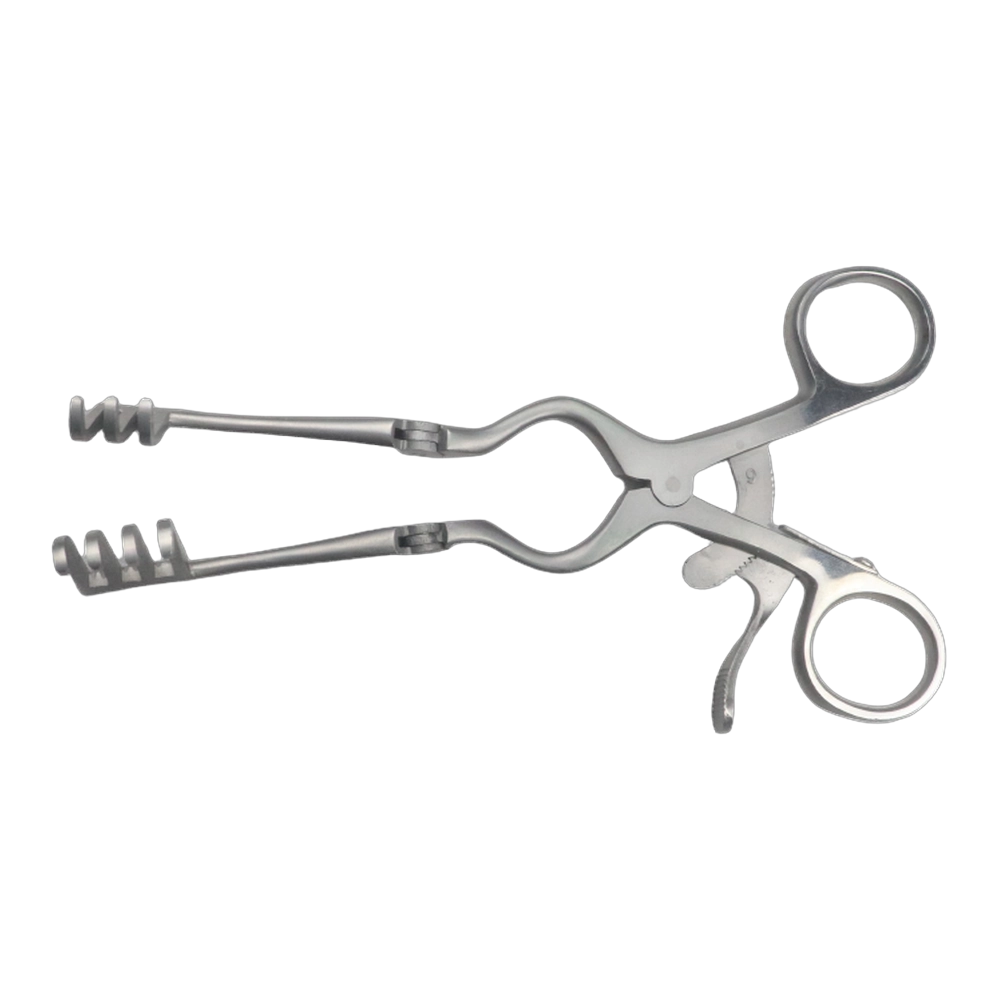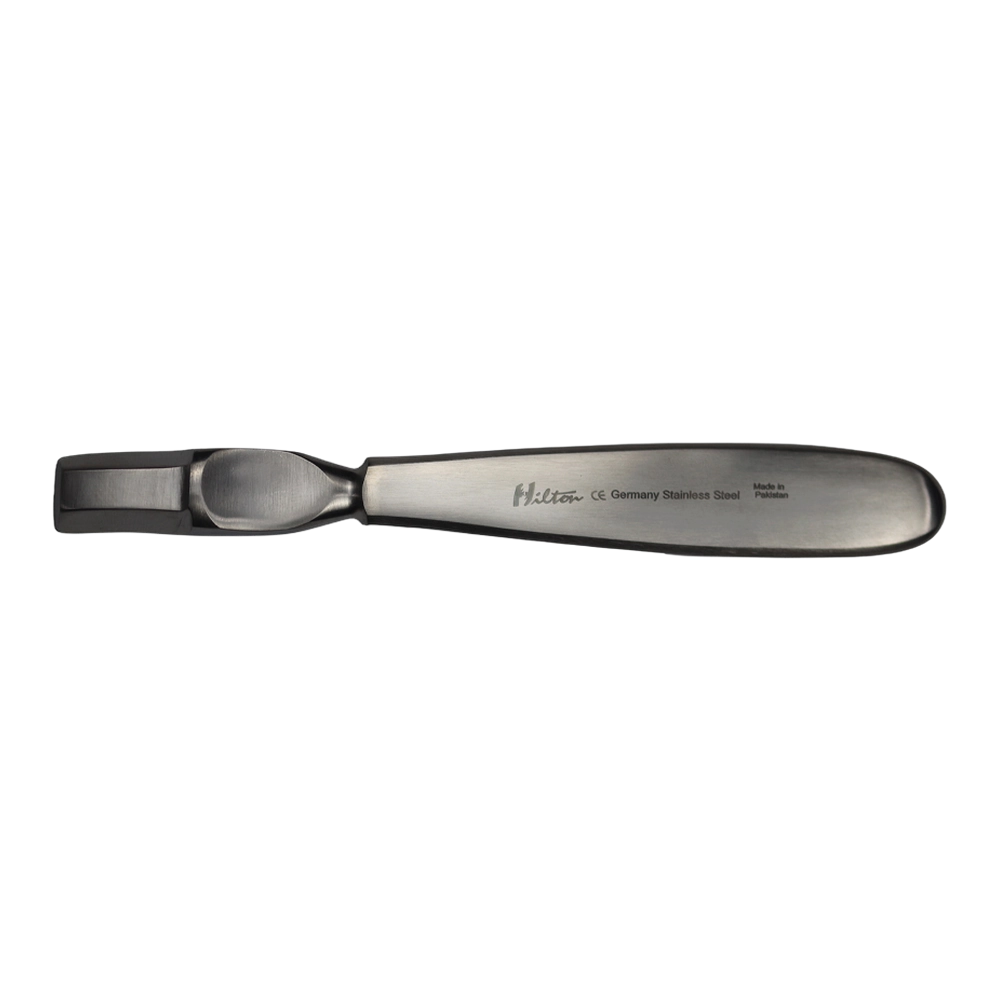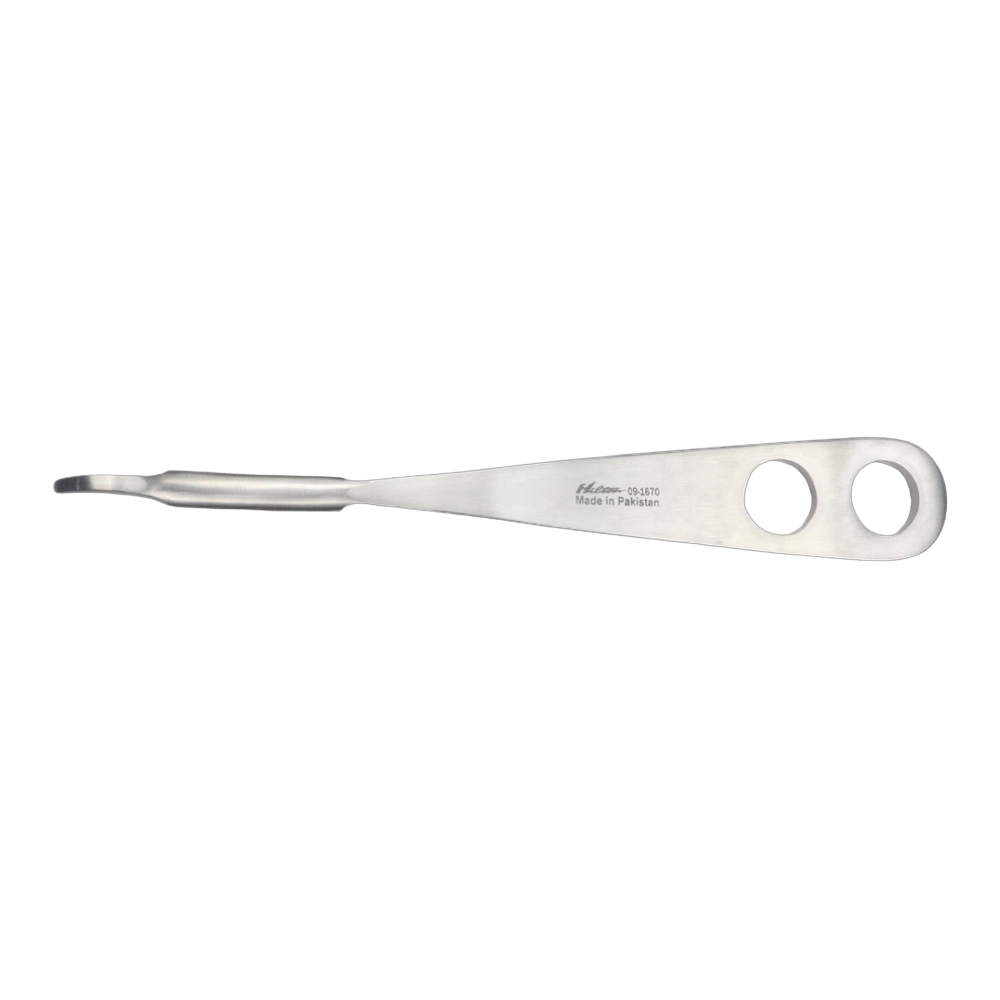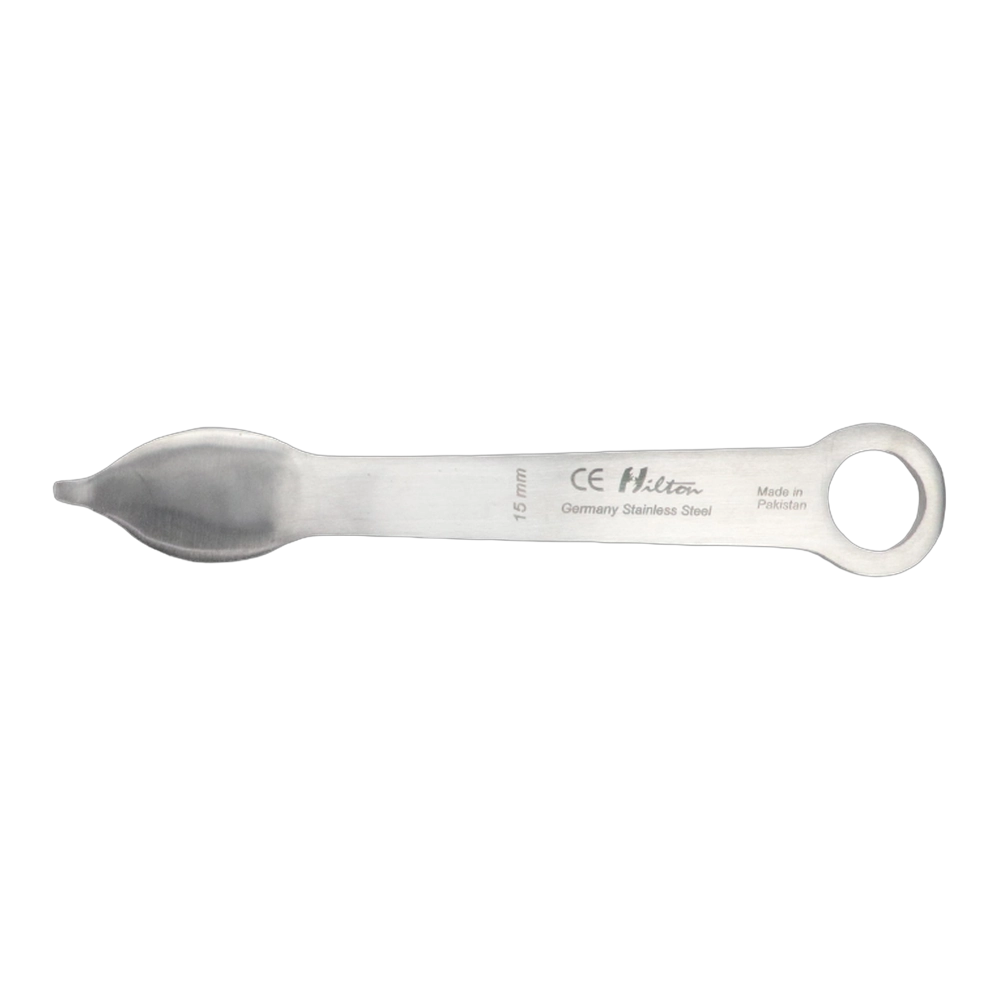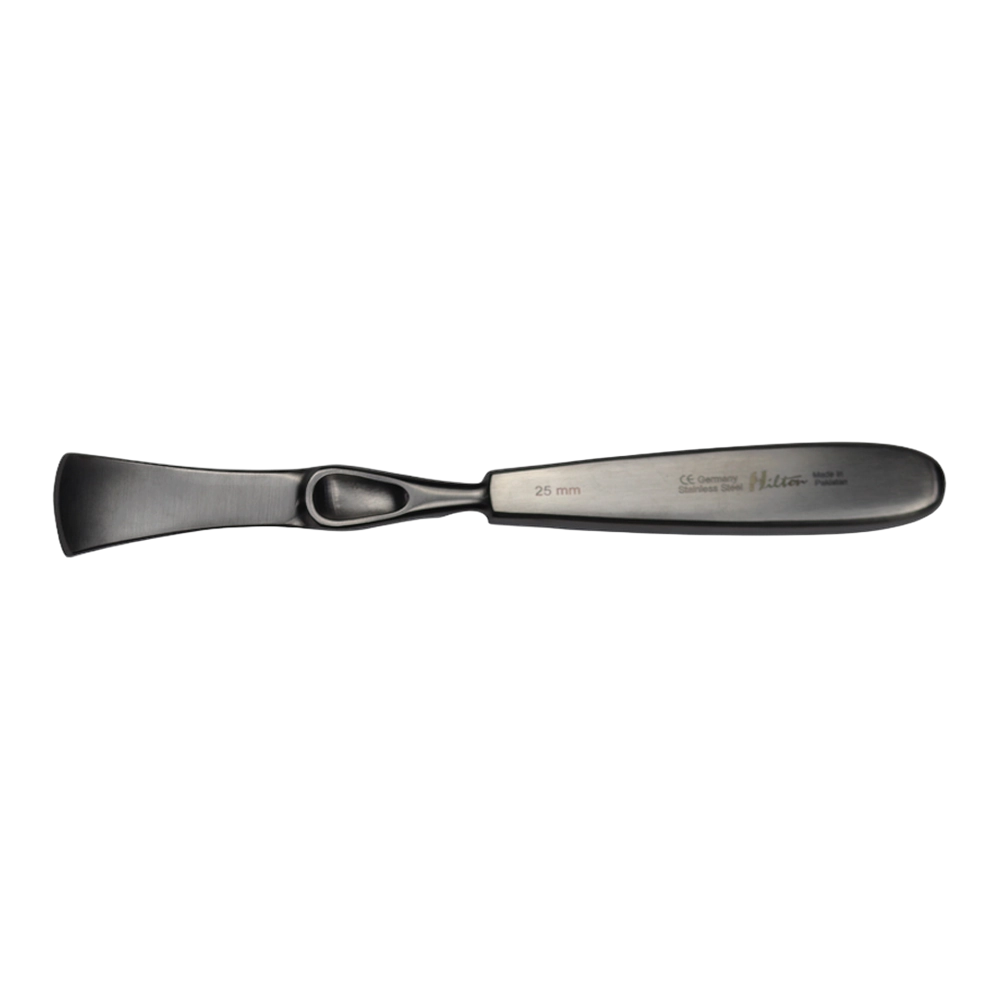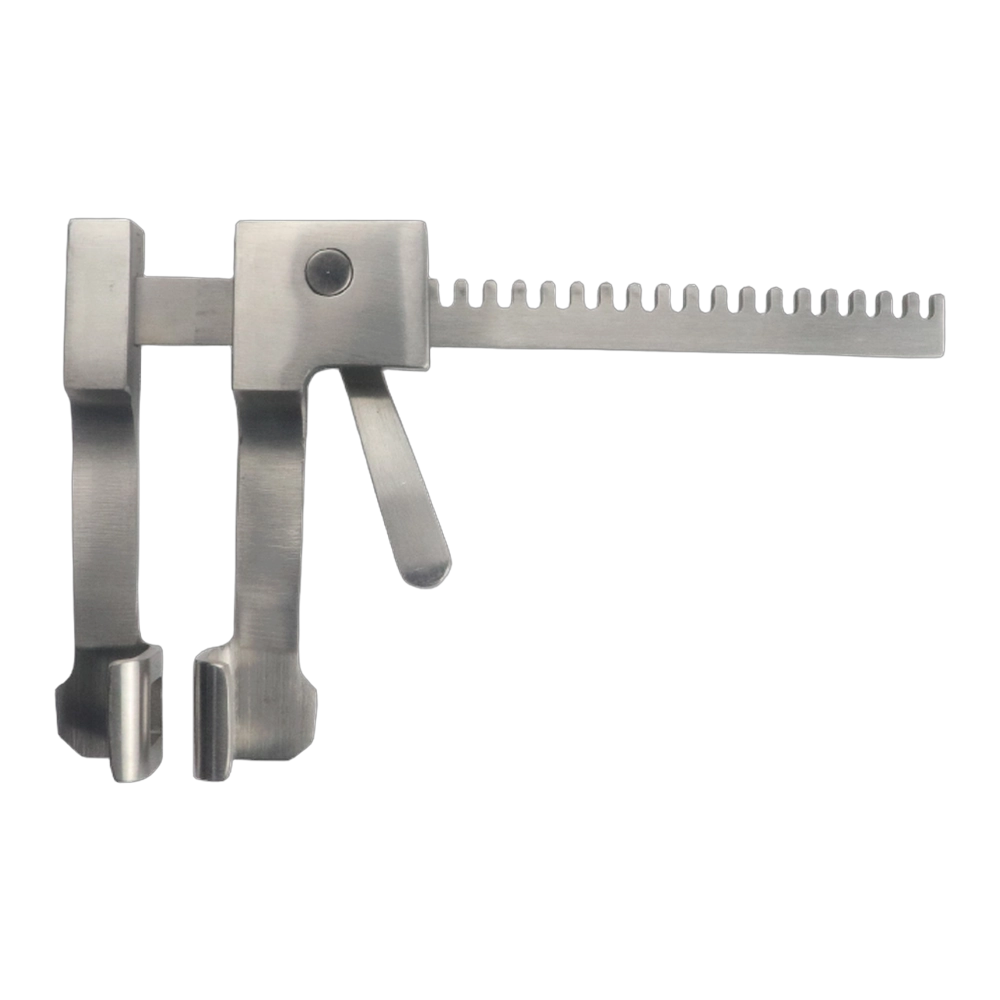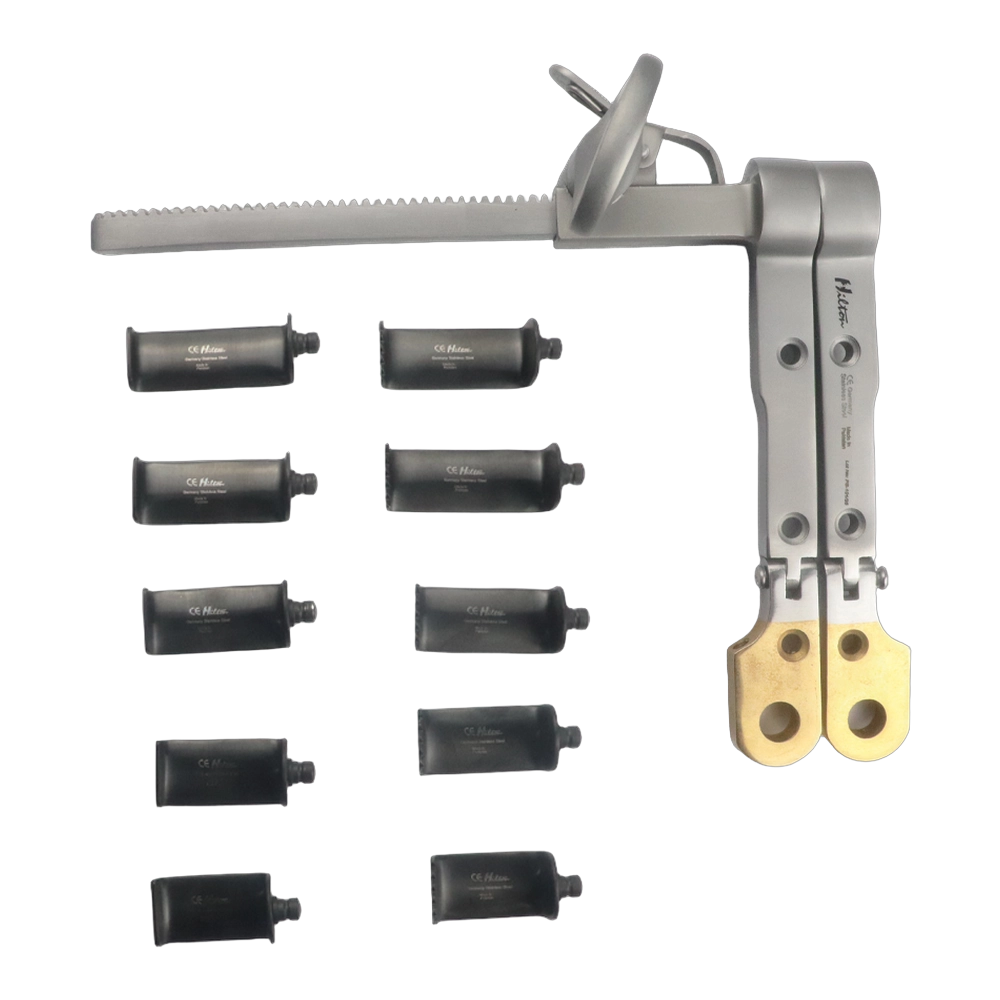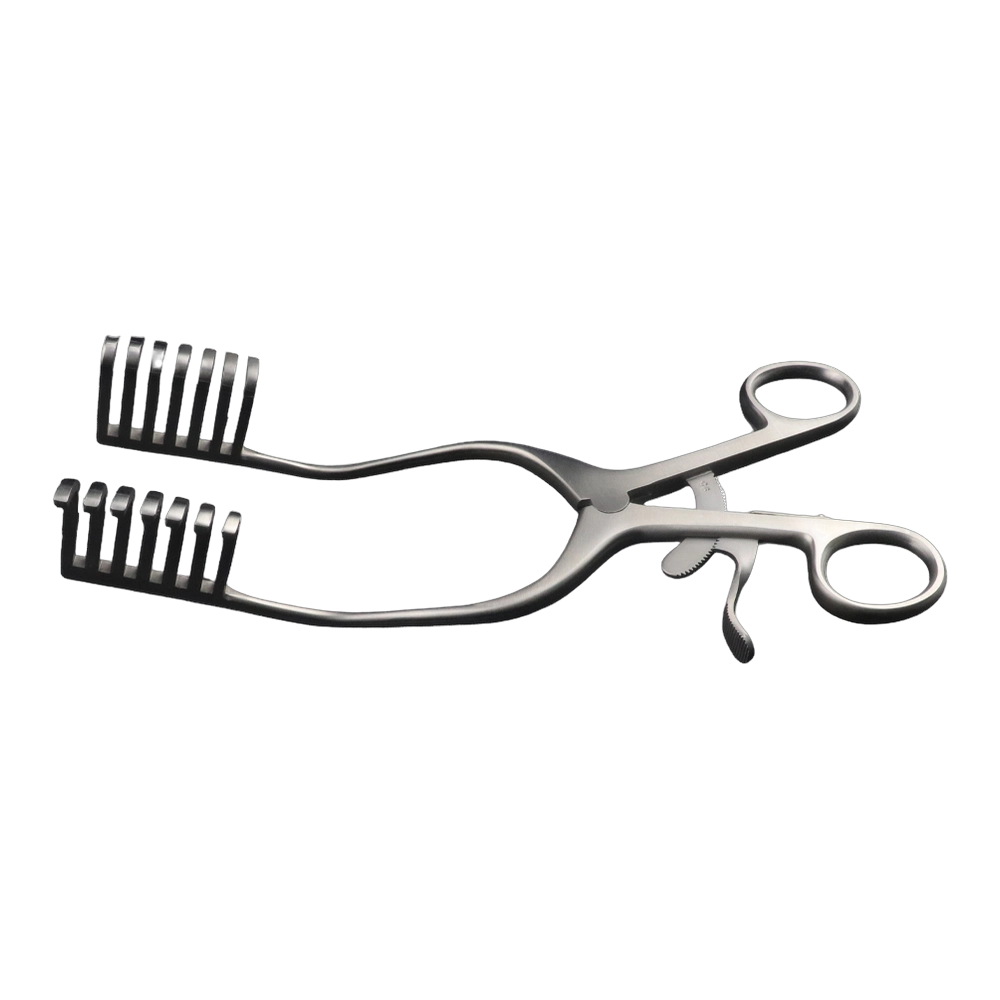
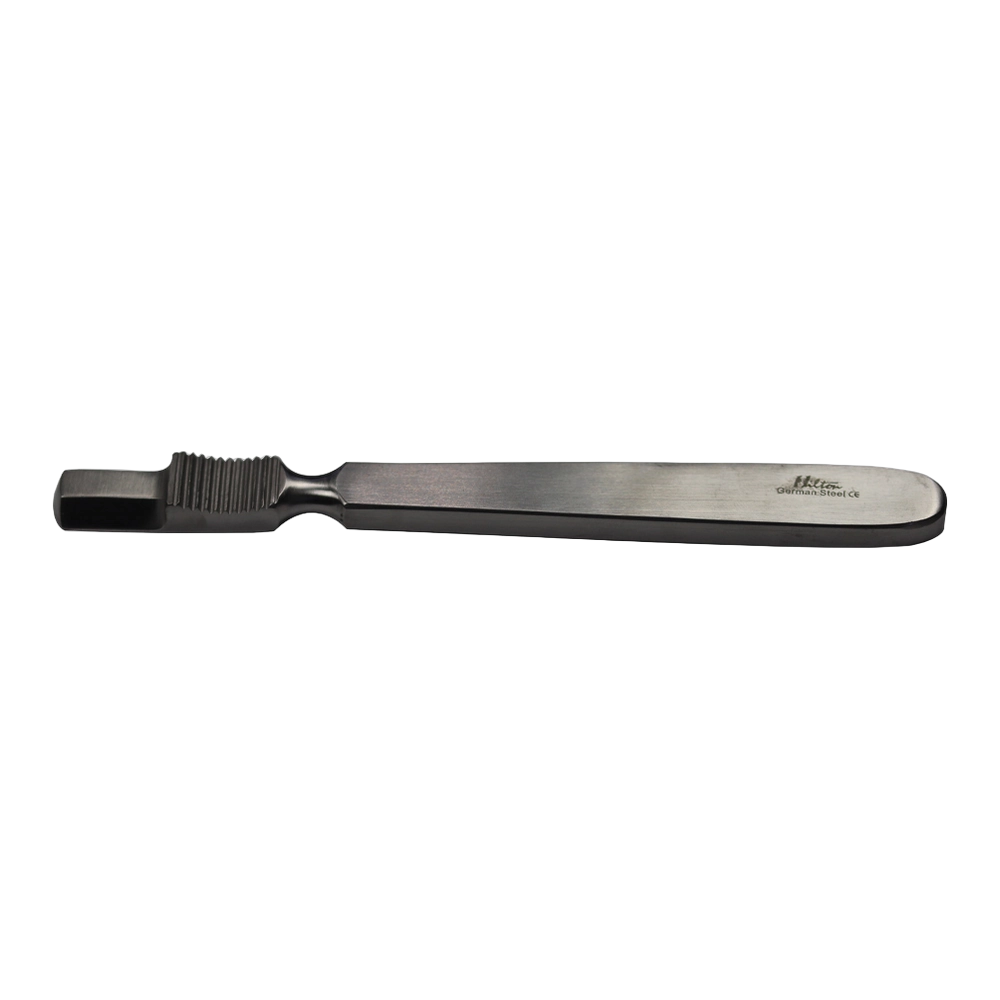

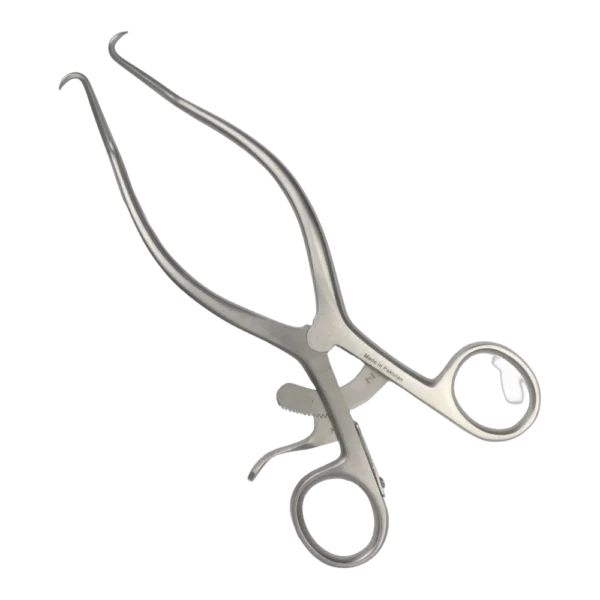
Farabeuf Bone Raspatories – Straight
Provides controlled periosteal elevation and retraction for reliable bony exposure. Supports precise decisions and efficient flow by maintaining clear subperiosteal planes.
470 EGP
more 2 products
6 for the price of 3
* The information on this page is a summary and is not intended to cover all available information about this medication. It does not cover all possible uses, directions, precautions, drug interactions or adverse effects and is not a substitute for the expertise and judgement of your healthcare professional.
Technical Specifications of Farabeuf Bone Raspatories – Straight
| Specification | Description |
|---|---|
| Speciality | Orthopedic |
| Material | STAINLESS STEEL |
| Sterilization Method | AUTOCLAVABLE |
| Finish | Matte / Satin Finish |
| Packaging Unit | Single Piece |
| Handle Type | Flat Solid Handle |
| Tip Type | STR |
| Brand | Hilton brand |
| Country of Origin | Pakistan |
| SKU | ORT-6001-RET |
Designed for orthopedic procedural use, this straight raspatory features a flat solid handle for controlled handling and is constructed from stainless steel with a matte/satin finish. It is autoclavable and supplied as a single piece, aligning with intraoperative precision and routine instrument processing.
Surgical Applications of Farabeuf Bone Raspatories – Straight
This device facilitates subperiosteal access along long-bone diaphyses and periarticular regions through blunt elevation and cortical scraping with a straight blade. It also retracts and shields adjacent soft tissues during drilling, sawing, or implant placement near cortical bone.
Common Applications
- Periosteal reflection along long bones to prepare access corridors during approach development.
- Soft-tissue retraction adjacent to cortical bone during placement of plates, screws, or other implants.
- Removal of adherent tissue from cortical surfaces to delineate and preserve subperiosteal planes.
- Tissue shielding when bone is drilled, sawed, or contoured near adjacent structures.
- Assistance with subperiosteal dissection around diaphyseal and periarticular contours for anatomical orientation.