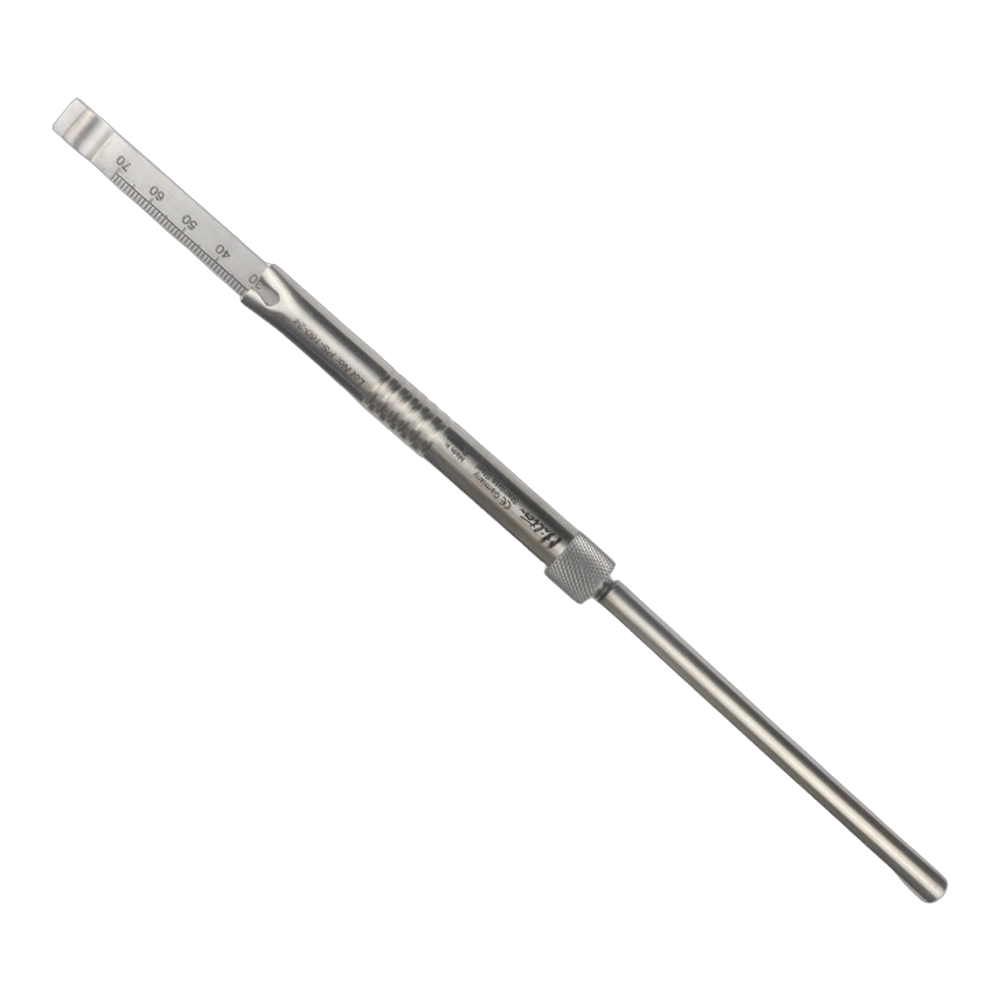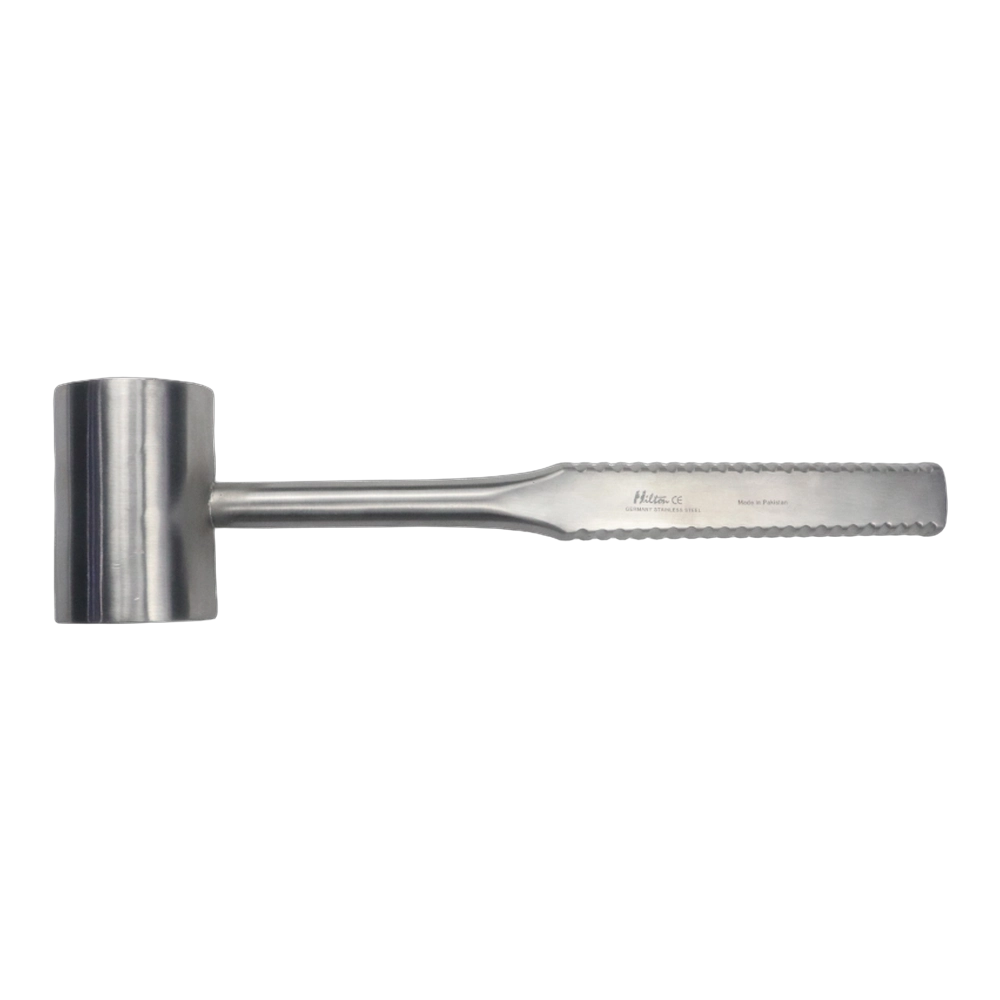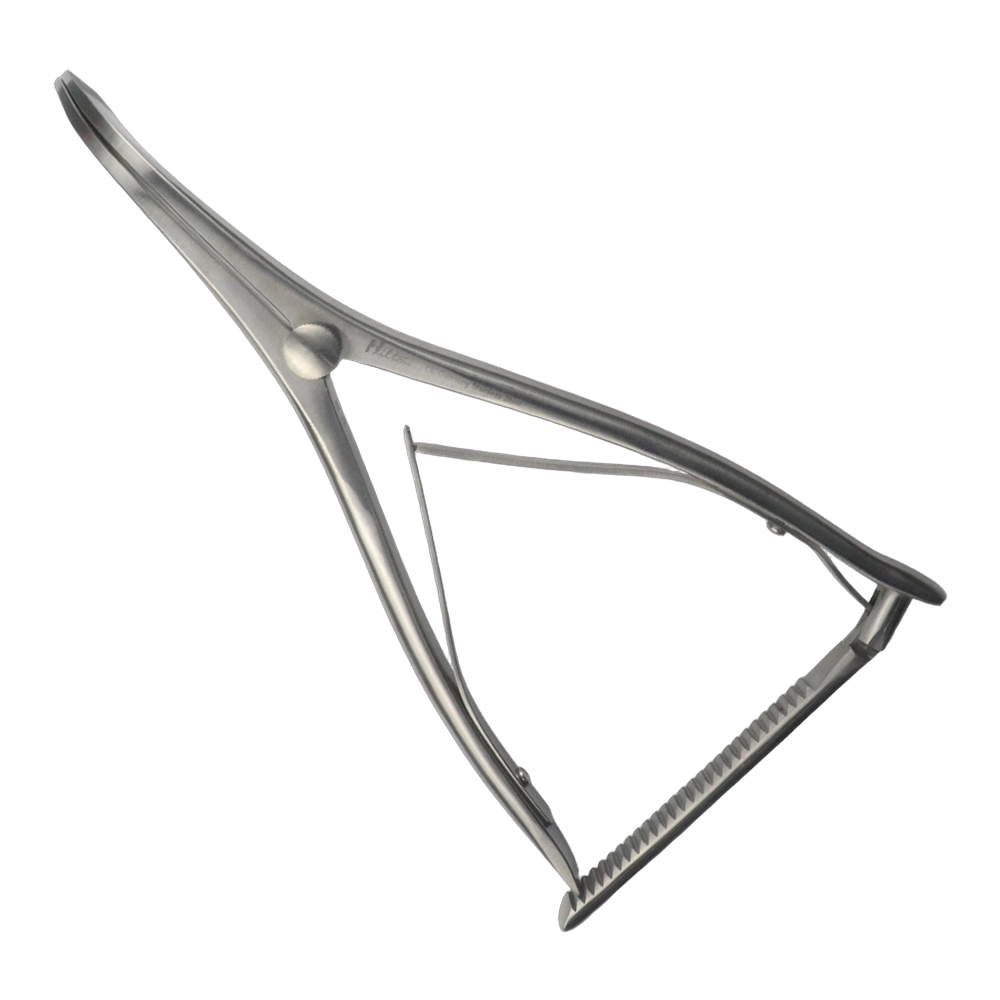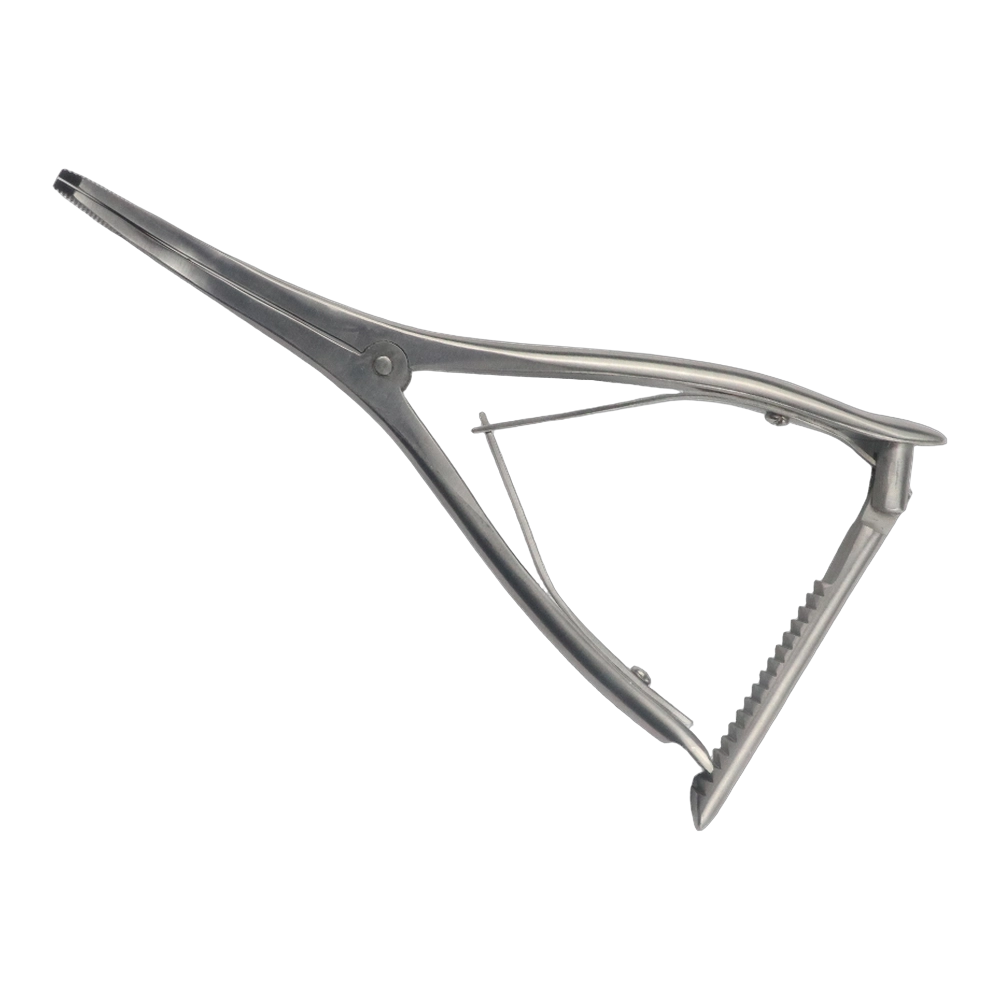
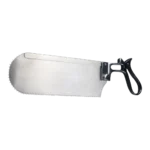


Electric Plaster Cast Saw – Model B

Enables controlled cast removal and modification to inform follow-up decisions. Speeds exams and documentation with windowing or bivalving for assessment and patient discussion.

10,175 EGP

SKU: ORT-6029-MSC Categories: , ,

* The information on this page is a summary and is not intended to cover all available information about this medication. It does not cover all possible uses, directions, precautions, drug interactions or adverse effects and is not a substitute for the expertise and judgement of your healthcare professional.

Technical Specifications of Electric Plaster Cast Saw – Model B

SpecificationDescription
SpecialityOrthopedic
Model Variant6 Replaceable Blades
MaterialReinforced Metal & Industrial Plastic Housing
FinishHeavy-duty Metal Housing
Sterilization MethodAUTOCLAVABLE
Handle TypeErgonomic Insulated Handle
Packaging Unitbox 7 pieces
BrandHilton brand
Country of OriginPakistan
SKUORT-6029-MSC

Designed for orthopedic cast removal tasks, this powered instrument incorporates reinforced metal and industrial plastic housing with a heavy-duty metal finish and an ergonomic insulated handle. The variant includes six replaceable blades, is designated as autoclavable, and is supplied in a box of seven pieces. Listed under the Hilton brand with SKU ORT-6029-MSC, with country of origin noted as Pakistan.

Surgical Applications of Electric Plaster Cast Saw – Model B

Electric Plaster Cast Saw – Model B sections plaster and rigid casting materials to support cast removal, modification, and edge refinement during orthopedic follow-up. Bivalving and windowing enable localized exposure and care access while preserving cast orientation for targeted trimming, shaping, or reinforcement sectioning.

Common Applications

  • Segmenting circumferential plaster casts to facilitate subsequent removal or targeted modification.
  • Performing bivalving to maintain limb orientation while allowing controlled separation of cast halves.
  • Creating windows to provide localized exposure for care access without disturbing the remaining construct.
  • Trimming and shaping cast edges and overlaps to achieve uniform margins and accommodate adjunct padding or bracing.
  • Sectioning rigid splints or cast reinforcements to revise structural support within the casting system.

Customer Reviews